Primary education has changed in ways that were difficult to imagine a few decades ago. Earlier, a primary classroom was often seen as a place where children learnt reading, writing, basic maths, discipline, and classroom routines. Teachers followed textbooks, completed lessons, gave homework, and prepared students for the next grade. While these responsibilities still matter, they no longer define the full role of a primary teacher.
Today’s primary classrooms are more diverse, more dynamic, and more demanding. Children come with different learning needs, emotional experiences, cultural backgrounds, language abilities, attention spans, and exposure to technology. They are growing up in a world where information is everywhere, but deep understanding, focus, creativity, and emotional balance are becoming harder to build.
Primary Education Is No Longer About Content Alone
Traditional teacher training often focused strongly on subject knowledge and classroom delivery. Teachers were expected to know the lesson, explain it clearly, ask questions, and check whether students had understood. This approach worked in a time when classrooms were more teacher-led, and learning was largely based on textbooks.
However, primary education today is not just about delivering content. A teacher may teach addition, grammar, environmental studies, or reading comprehension, but the deeper task is to help children think, connect, express, and apply what they learn.
This shift demands strong pedagogical knowledge. Teachers need to know how children learn, why some concepts feel difficult, how to break ideas into smaller steps, and how to make learning meaningful instead of mechanical.
Young Learners Need Teachers Who Understand Development
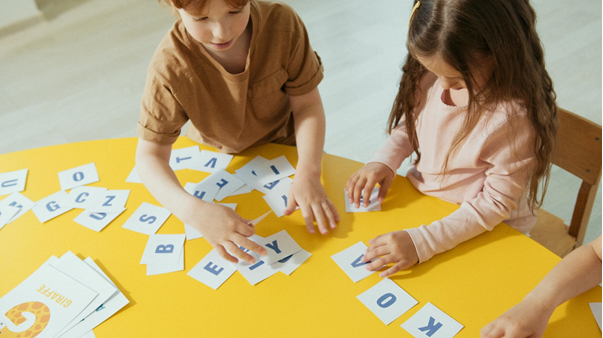
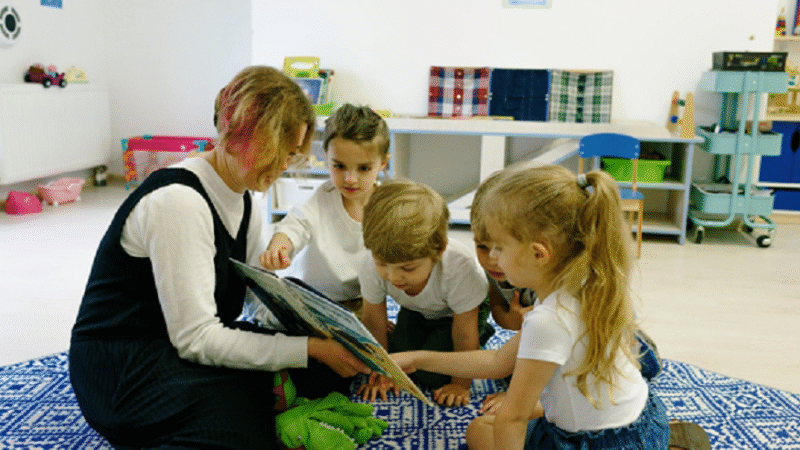
Primary school students are still developing emotionally, socially, physically, and cognitively. A child in Grade 1 does not learn in the same way as a child in Grade 5. Their attention span, language ability, confidence, social behaviour, and reasoning skills develop gradually.
This means primary teachers need a strong understanding of child development. Without it, teaching can become either too advanced or too limited. Some children may be pushed into formal learning before they are ready, while others may not be challenged enough because their abilities are underestimated. Programmes such as a Master of Arts in Education with Pre and Primary Teaching can help educators build the insight needed to plan age-appropriate, balanced, and responsive learning experiences.
A teacher with advanced training knows how to observe children. They can recognise whether a child is struggling with comprehension, fine motor skills, peer interaction, confidence, or emotional regulation. They understand that poor performance is not always a sign of laziness. It may reflect fear, confusion, lack of readiness, language gaps, or learning differences.
This awareness helps teachers respond with patience and strategy. It also helps them create classrooms where children feel safe enough to try, fail, and try again.
Classrooms Have Become More Diverse
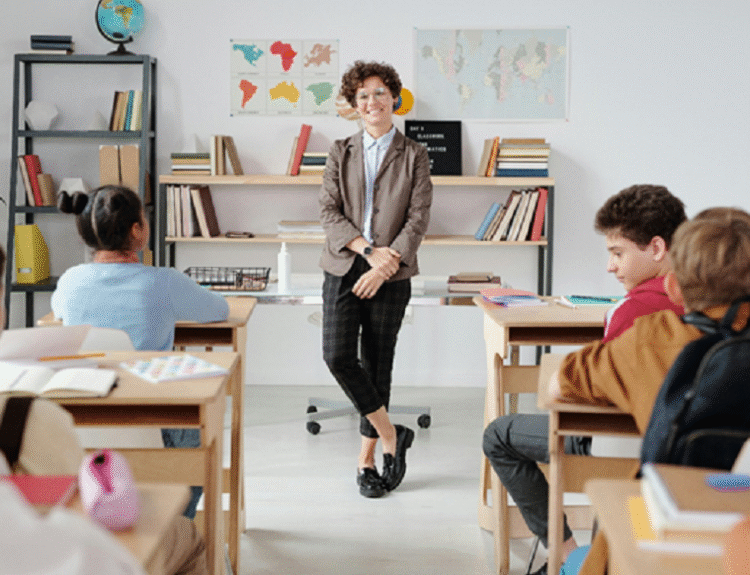
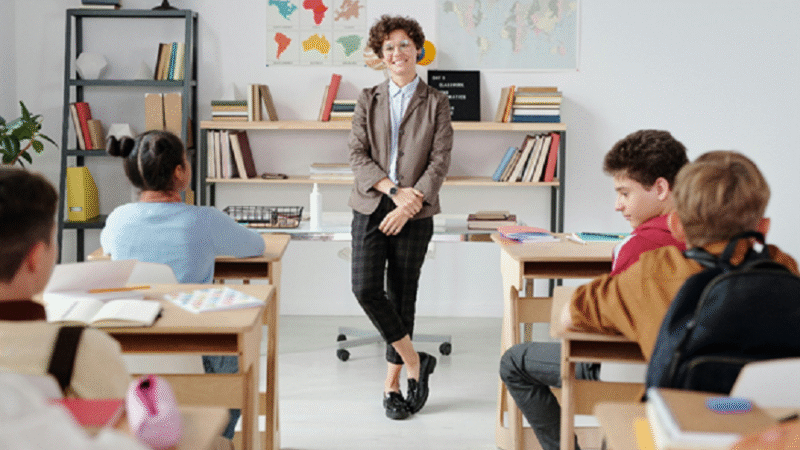
One of the biggest changes in primary education is learner diversity. In a single classroom, a teacher may work with children who learn quickly, children who need repeated practice, children with attention challenges, children from multilingual homes, children with emotional difficulties, and children who are gifted in specific areas.
A one-size-fits-all teaching method no longer works.
Teachers now need skills in differentiation, inclusive practices, classroom observation, and flexible planning. They must be able to adjust tasks, use visual aids, create peer learning opportunities, offer additional support, and design activities for different levels of readiness.
This is one reason many educators are now exploring professional pathways such as Degree Courses in Malaysia to strengthen their understanding of modern teaching practices. Such academic routes can help teachers move beyond routine lesson delivery and develop a deeper approach to curriculum, assessment, inclusion, and learner support.
The goal is not to make teaching complicated. The goal is to make it more responsive.
Technology Has Changed How Children Learn
Children today are growing up with screens, videos, games, digital tools, and instant access to information. This has changed their learning habits. Many students are highly visual. Some respond better to interactive tasks. Some struggle with attention because they are used to fast-moving digital content.
This does not mean every classroom should become fully digital. It means teachers need to use technology wisely.
Advanced teaching skills help educators decide when technology supports learning and when it distracts from it. A digital quiz may improve engagement. A short educational video may explain a difficult idea. A collaborative online activity may help children share their work. But technology must always serve a learning purpose.
Primary teachers also need to teach digital habits. Children must learn how to use information responsibly, stay focused, ask questions, and balance screen-based activities with reading, writing, play, discussion, and hands-on learning.
Technology is now part of the learning environment. Teachers who understand it can guide children better.
Emotional and Social Learning Matters More Than Ever
Primary classrooms are not only academic spaces. They are social and emotional spaces where children learn how to manage feelings, build friendships, handle conflict, listen to others, wait, share, and express themselves.
Many children today face pressure from busy family routines, academic expectations, social comparison, digital exposure, and reduced free play. Some enter classrooms with anxiety, low confidence, or difficulty managing emotions.
A traditionally trained teacher may focus mainly on behaviour control. A highly skilled teacher looks deeper. They ask why the behaviour is happening. They create routines, use positive reinforcement, teach emotional vocabulary, and guide children through conflict instead of simply punishing them.
This approach does not reduce discipline. It strengthens it. Children behave better when they understand expectations, feel respected, and know how to manage themselves.
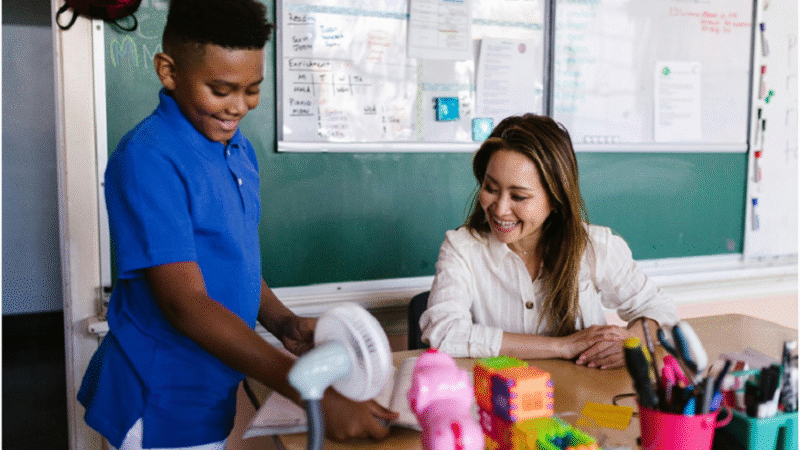
Social and emotional learning also improves academic outcomes. A child who feels secure is more willing to participate. A child who can manage frustration is more likely to keep trying. A child who can work with others learns better in group settings.
Assessment Has Moved Beyond Marks
In the past, assessment was often linked to tests, marks, and report cards. These still exist, but they are no longer enough to understand a child’s progress.
Primary teachers now need to assess learning in many ways. They observe classroom participation, listen to student responses, review notebooks, analyse mistakes, track reading growth, check oral expression, and study how children approach tasks. This is why many educators explore Degree Courses in Malaysia to strengthen their assessment skills and understand how to support each learner with greater accuracy.
This kind of assessment helps teachers understand what a child knows, what they are almost ready to learn, and where they need support. It also helps teachers change their teaching before learning gaps become too large.
Advanced assessment skills allow teachers to move from “Who got it right?” to “What does this child need next?”
That shift is powerful. It makes teaching more personal and more effective.
Parents Expect Stronger Communication
Modern parents are more involved in their children’s education. They want regular updates, practical feedback, and clear guidance. At the same time, many parents feel anxious about their child’s progress, screen habits, social skills, reading levels, or future readiness.
Primary teachers need strong communication skills to build trust with families. They must explain progress clearly, discuss concerns sensitively, and offer realistic suggestions. They also need to manage expectations when parents compare their child with others or demand faster results.
Good parent communication is not just about sending messages or conducting meetings. It is about creating a partnership. When teachers and parents work together, children receive more consistent support at home and in school.
Teachers Need to Become Reflective Practitioners
The best primary teachers do not depend only on what they learnt years ago. They continue to reflect, adapt, and improve. They ask themselves important questions. Did the lesson work? Which children struggled? Was the activity too easy? Did every child participate? How can the same concept be taught differently tomorrow?
This reflective habit is one of the strongest signs of an advanced educator.
Primary education keeps changing because children, families, technology, and society keep changing. Teachers who rely only on old methods may find it difficult to meet new classroom realities. Teachers who keep learning become more confident, creative, and effective.
Professional growth helps educators move from routine teaching to purposeful teaching.
Bottom Line
The evolution of primary education shows that teachers now need far more than traditional classroom training. They must be able to teach the lesson while also supporting the learner during the lesson.
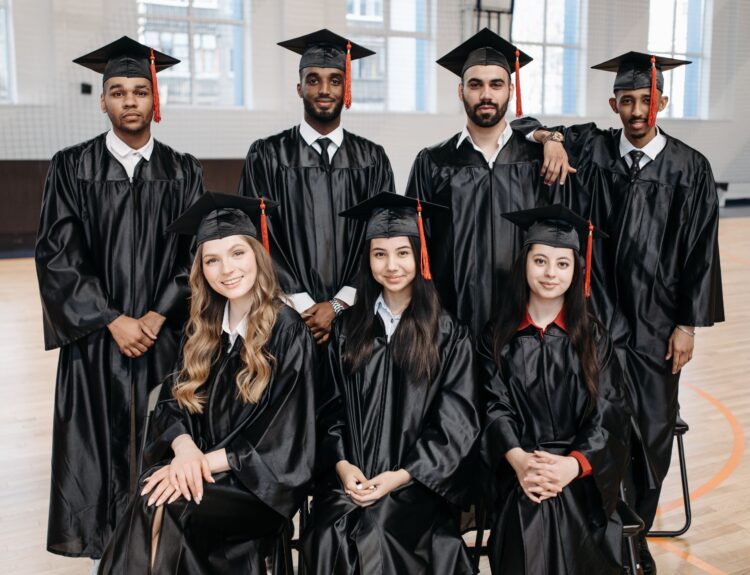
For educators who want to grow into stronger primary teaching professionals, a programme like the Master of Arts in Education with Pre and Primary Teaching can offer deeper academic insight and practical direction. It can help teachers build the advanced skills needed to meet modern classroom challenges with confidence.
Primary education is the stage where children form their first strong ideas about learning, confidence, discipline, curiosity, and self-worth. When teachers are well-prepared, these early experiences become more meaningful. That is why the future of primary education depends not only on better classrooms, but on better-skilled educators.